
Software built around how your business works
Kbroz designs and builds websites, mobile apps, CRMs, ERPs, SaaS products and machine-connected industrial software, from the first workshop to launch and long-term support.
For businesses that have outgrown off-the-shelf tools
If spreadsheets, plugins and disconnected apps are slowing your team down, it is time for software that fits.
Startups & founders
We buildMVPs, SaaS products and apps ready for real users.Growing SMEs
We buildCRMs, ERPs and portals that replace spreadsheets.Manufacturers
We buildProduction tracking, machine data and live dashboards.E-commerce & retail
We buildFast online stores, billing and inventory systems.Education & healthcare
We buildBooking, student and patient portals with role access.Field teams & logistics
We buildMobile apps for staff, attendance, routes and orders.Kbroz vs. a typical development shop
We don't just write code. We design software around your users and workflows, and stay with it after launch.
Typical approach
- Template thinkingReskinned templates and plugins that break as you grow.
- Code without a planFeatures built with little research into how people actually work.
- Black-box deliveryNo documentation, unclear ownership and no support after launch.
How Kbroz works
- Product thinkingBuilt around your users, workflows and business model.
- Built to growClean architecture, APIs and cloud infrastructure ready for more users.
- You own itDocumentation, handover and support, so you are never locked in.
A blueprint before the build
We map your users, workflows and existing systems first, so the build starts with clear scope and fewer surprises.
Workflow & requirements discovery
Stakeholder interviews, process mapping and requirements that define exactly what to build.
You get: Requirements documentUX research & prototyping
User journeys, wireframes and a clickable prototype, approved before development starts.
You get: Clickable prototypeArchitecture & roadmap
Tech stack, system design, integrations and a phased delivery plan with milestones.
You get: Technical blueprintFrom a landing page to a factory dashboard
Websites, apps, business software, SaaS products and hardware-connected systems, built by one team.
Websites & landing pages
- Business & corporate websites ★★★★★
- High-converting landing pages ★★★★★
- E-commerce stores ★★★★
- Web portals & dashboards ★★★★
- CMS & headless builds ★★★
Mobile apps
- iOS & Android apps ★★★★★
- Cross-platform (Flutter / React Native) ★★★★★
- Progressive web apps ★★★★★
- Admin & field-staff apps ★★★★★
CRM & business software
- Custom CRM ★★★★★
- ERP & workflow automation ★★★★
- Billing, inventory & HRMS ★★★★
- API & third-party integrations ★★★★
Kbroz Build Hub
Idea to deploymentSaaS products
- Multi-tenant SaaS platforms ★★★★★
- Subscriptions & billing ★★★★
- Roles, access & admin ★★★★
- Analytics & reporting ★★★★
Industrial software
- MES & production tracking ★★★★
- SCADA & HMI dashboards ★★★★
- Maintenance & asset management ★★★★
- Quality & compliance systems ★★★
Hardware-connected software
- IoT sensors & gateways ★★★★★
- PLC & machine integration ★★★★★
- Edge & real-time data ★★★★
- Remote monitoring & alerts ★★★★
Tap a box to see what is included. ★ shows how often we build it.
Clear process, solid architecture
How the work moves from idea to release, how the system is put together, and how machines connect to your screens.
Working software early and often
Work is split into short sprints. Every sprint ends with a demo, so you see progress, give feedback and steer before it is too late to change.
- Weekly demos and a shared project board
- You approve each milestone before the next starts
- Bugs found in QA are fixed before release
- Discovery & requirementsScope agreed in writing
- UX & prototypeApproved before coding
- Development sprintsDemo and feedback each weekSprint
- QA & testingIssues fixed and re-testedFix
- Launch & supportDocumented and handed overLive
Built in clean, separate layers
Users, data and business rules are kept in clear layers with APIs between them. That makes the system easier to secure, test and extend later.
- Role-based access and secure login
- APIs and webhooks for your other tools
- Backups and logs from day one
- Users & devicesWeb, mobile, machines
- API gatewayEvery request checked
- Business logic & accessRules, roles and approvalsLogic
- Database & integrationsStorage, webhooks, third-party APIsData
- Admin, alerts & analyticsDashboards and notifications
Tested before every release
Code is reviewed, tested and deployed through an automated pipeline, so releases are predictable and easy to roll back if needed.
- Code review on every change
- Automated and manual testing
- Staging environment for your approval
- Commit & code reviewReview
- Unit & UI testsRun automaticallyTests
- Security checksDependencies and access
- Staging for approvalYou test before go-liveStaging
- Production releaseMonitored after deployLive
From the shop floor to the screen
Industrial software is only useful when the machine and the dashboard agree. We connect sensors, PLCs and gateways to the cloud in real time.
- PLC, sensor and gateway integration
- MQTT and OPC UA data pipelines
- Alerts on mobile when something goes wrong
- Machine or sensorPLC, meter, IoT device
- Edge gatewayCollects and filters dataEdge
- Cloud platformStored and processed securely
- Rules & alertsDowntime, limits, maintenance dueAlert
- Live dashboardProduction, OEE and reportsLive
Software is never really "done"
Launch is day one. We monitor, fix, update and add features, so your software keeps pace with your business.
Day 1: launch
Version 1.0 goes live.
Month 6+: growing
New features, no rebuild.
-
What we keep watching
- Uptime and error alerts
- Speed and load performance
- Usage analytics
- Security updates and access audits
- Backups and restore checks
- A list of improvements for the next sprint
Why custom often beats patchwork
Stacking tools and plugins feels cheap until they stop talking to each other. Custom software costs more upfront, but becomes an asset you own.
Patchwork tools
"Just stitch a few apps together"- Reliability Breaks often
- Fit to workflow Workarounds everywhere
- Running cost Keeps rising
- Control Depends on vendors
Custom platform
Built for your workflow and connected- Reliability Stable and tested
- Fit to workflow Made for how you work
- Running cost Falls over time
- Control You own it
Extra help when you need it
UI/UX design studio
Clean interfaces, design systems and user flows that make complex software feel simple to use.
Fractional CTO & tech advisory
Architecture reviews, vendor decisions and a technical roadmap, without hiring a full-time CTO.
A build team you can talk to
Direct contact with the people building your product, and regular updates you don't have to chase.
Real-time updates
Direct access on WhatsApp or Slack.
Morning! Release 1.4 is live. The new dashboard loads faster and no critical bugs so far. Next sprint starts today.
Great, the team likes the new workflow. Let's start the next module.
Who works on your project
Specialists who own each part of the build.
- Project managerYour main contact, scope and timelines.
- Full-stack & integration engineersBuild the product, APIs and integrations.
- UI/UX designerDesigns screens and user flows.
- QA specialistTests every release before it goes live.
From first call to first release
A typical timeline for a first release. It varies with scope, and yours is shared in the proposal.
- Week 1
Deep dive
Goals, discovery workshops, then a prototype and technical blueprint for your approval.
- Weeks 2–4
Build sprints
Sprints with weekly demos, so you see working software and give feedback early.
- Week 5+
Launch & handover
A tested release goes live with documentation and training, then monitoring and support.
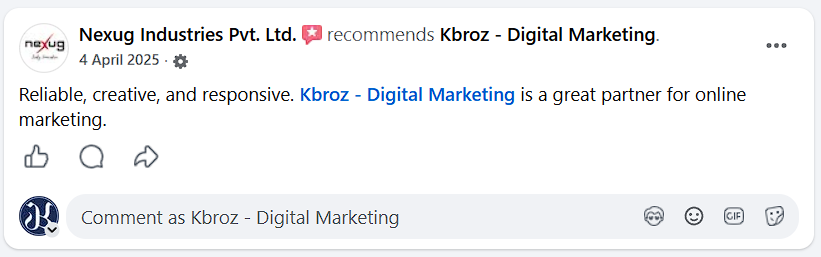

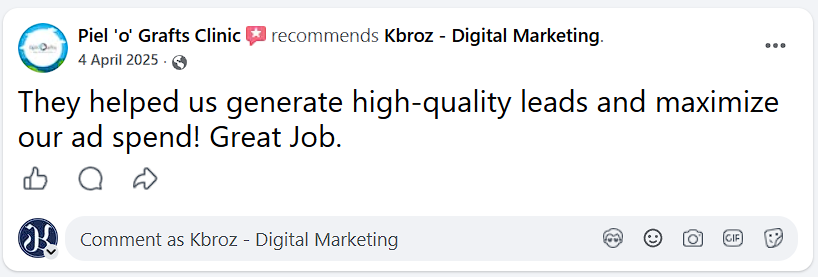
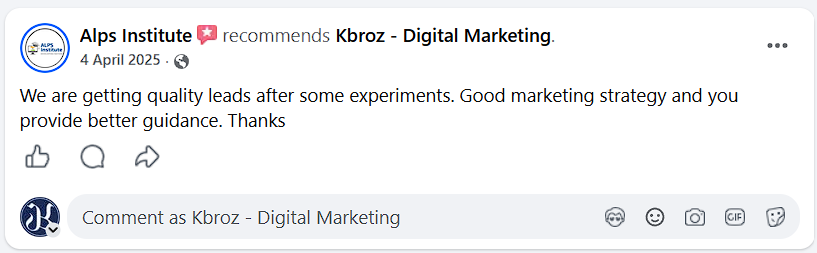
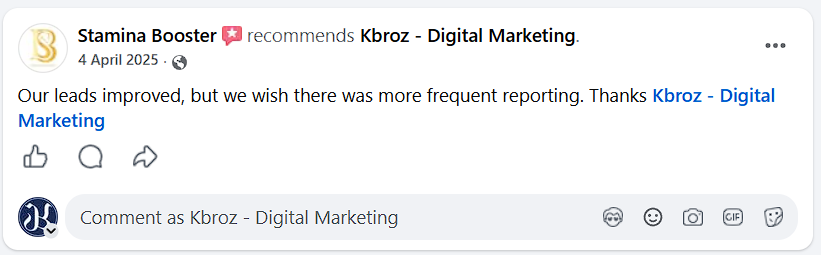

What is manual work costing you?
Repetitive tasks cost salaries, errors and time. Enter your numbers to estimate how much of it software could take over.
Based on your inputs. Not a guarantee.
Automate my workflowFixed milestones, clear ownership
After discovery you get a fixed estimate split into milestones, with weekly demos and your approval at each stage. Code ownership, documentation and handover terms are agreed in writing before you commit. Hosting, licences and maintenance plans are shown separately.
Before you get in touch
Do we own the code and data?
Yes. Ownership, documentation and handover terms are written into the agreement before work starts. Once invoices are cleared, the code, data and accounts are yours, so you are never locked in.
How is pricing worked out?
Pricing depends on scope. After discovery we share a fixed estimate split into milestones, so you know what each stage costs and approve it before it begins.
How long does development take?
A website or landing page usually takes a few weeks. Custom apps, CRMs and SaaS products ship in phased releases over a few months. Industrial and hardware projects depend on site access and device testing, and the timeline is shared in your proposal.
Can you connect with our machines, ERP or existing tools?
Yes. We integrate with existing ERPs, CRMs and APIs, and connect industrial hardware such as PLCs, sensors and gateways using standard protocols like MQTT and OPC UA.
Which technology will you use?
We choose the stack that fits your needs, budget and team, such as WordPress or Shopify for content and stores, React and Node.js or Laravel for custom web apps, and Flutter for mobile apps. The choice is explained in the technical blueprint.
Do you provide hosting and maintenance?
Yes. We can set up hosting on AWS, Google Cloud or your preferred provider, and offer maintenance plans covering updates, backups, monitoring and small changes.
What happens after launch?
We monitor the live system, fix issues, train your team and keep improving it. New features are planned in sprints, so the software grows with your business without a rebuild.
Can you take over a project another team started?
Yes. We first review the existing code and infrastructure, share what needs fixing, then continue development or plan a rebuild only where it is truly needed.
Have an idea or a workflow to fix?
Tell us about your idea, process or machine data. We will suggest the right thing to build, a rough timeline and the next steps.